A massive dust storm, or haboob, swept across the Sahara Desert from western Algeria into Mauritania, Morocco, Western Sahara and the Canary Islands on March 30. The dust stretched for more than 1,000 miles.
As meteorologists observed the dust storm from space via weather satellites, social media users captured the incoming dust storm on camera. One video shows a thick wall of dust and sand moving toward a resident of the town of Tindouf, near the Mauritanian, Western Saharan and Moroccan borders.
How does the dust affect tropical storms in the Atlantic?
While this storm didn't make it too far off the coast, significant amounts of dust can drift westward from Africa across the Atlantic beginning in May. This can inhibit tropical storm formation, or the strengthening of an existing system, because the dusty air has about 50% less moisture than the typical tropical atmosphere.
Strong winds in the dust layer can also substantially increase the vertical wind shear in and around the storm environment, potentially disrupting any storm that forms.
LATEST POSTS
- 1
 Vote in favor of your favored spot to peruse
 - 2Former United Launch Alliance CEO Tory Bruno joins competitor Blue Origin for national security projects
- 3Make your choice for the bird that catches your heart!
- 4Last supermoon of the year, the cold moon, seen across the U.S.: See the photos
- 5Find the Standards of Viable Refereeing: Settling Debates with Strategy


- Vote In favor of Your Favored Sort Of Bevarage
- Germany and trade unions kick off tough public-sector wage talks
- How many ships have been attacked in the Gulf since start of Iran war?
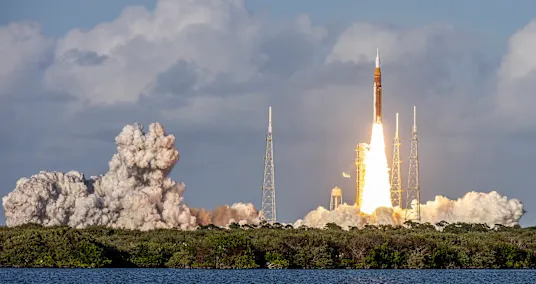
- NASA's Artemis II launch leaves Americans in awe: 'We're going back to the frickin' moon!'
- Figure out How to Explore the Infotainment Framework in the Slam 1500.
- JW Marriott Tokyo: an elegant retreat amid whirlwind of the city
- Tasting America: An Excursion Through Darling Cheap Food Brands
- NASA's moon mission has begun — here's what's ahead for the Artemis II astronauts
- When the moon hits your eye from your Orion ship up high, that's a 'mare'