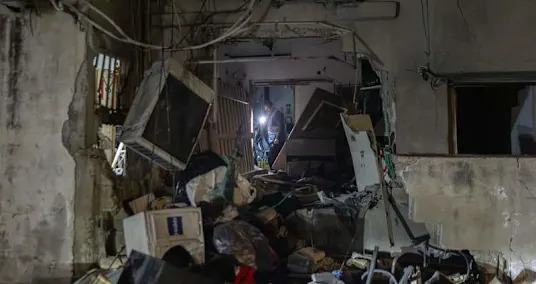
Iranian missile attacks on southern Israel injured at least 11 people near the desert city of Beersheba on Sunday, emergency services said.
Israel's Magen David Adom rescue service said the people were wounded by debris propelled by shockwaves from the strikes. Air raid sirens sounded repeatedly across the south of the country as rockets were detected.
In one strike, a large fire broke out at a chemical plant on the outskirts of Beersheba. Television footage showed a thick plume of smoke rising from the site.
Authorities briefly feared that hazardous substances could be released during the fire, posing a risk to nearby residents. However, the Israeli Ministry of Environmental Protection later said inspections found no immediate danger to the public.

LATEST POSTS
- 1
 ‘Grit’ and relentless perseverance can take a toll on brain health − particularly for people facing social stresses like racism
 - 2SpaceX's 1st 'Version 3' Super Heavy Starship booster buckles under pressure during initial tests
- 3The most effective method to Pick the Best Material Organization: Insider Tips
- 4Fundamental Venture The board Apparatuses for Remote Groups
- 5The most effective method to Amplify Your Opportunity for growth in a Web-based Degree Program


- As tetanus vaccination rates decline, doctors worry about rising case numbers
- Lily Allen 2026 'West End Girl' Tour: How to get tickets, prices, presale info and more
- World's oldest known tortoise still very much alive despite rumor to the contrary
- The most effective method to Keep up with Proficient Handshakes in a Computerized World
- Court clears Beersheba assault suspect of link to Haymanut Kasau disappearance, extends detention
- Instructions to Perceive and Grasp the Early Side effects of Cellular breakdown in the lungs
- Sydney Sweeney is returning in 'The Housemaid's Secret': What to know about 'The Housemaid' sequel
- I went to Japan during peak cherry blossom season and found an easy way to escape the crowds at popular tourist attractions
- Overlooked infertility care should be part of national health services, says WHO