The post came in reply to a post from the United Nations Relief and Works Agency (UNRWA), saying that freshwater supplies in Gaza were "severely limited and polluted."
Gaza is receiving over 70,000 cubic meters of water per day, the Coordinator of Government Activities in the Territories (COGAT) claimed in an X/Twitter post on Sunday.
The post came in reply to a post from the United Nations Relief and Works Agency (UNRWA), saying that freshwater supplies in Gaza were "severely limited and polluted," due to a collapse in sewage infrastructure.
COGAT described UNRWA's claims as being "false narratives."
COGAT coordinates Gaza water line repair
"The facts speak for themselves," COGAT said. "When a water line issue was reported last week, we coordinated a rapid repair to restore full functionality immediately."
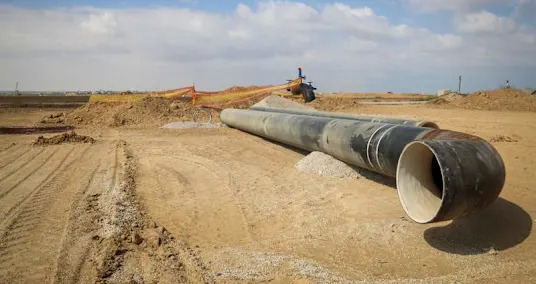
COGAT also said that there were four active pipelines leading into Gaza: Nahal Oz, Bani Suheila, Birkat Sa'id, and the Emirati line.
"While local groundwater faces challenges, we continue to repair infrastructure, even during combat, to ensure civilians access to safe, potable water," COGAT claimed.
LATEST POSTS
- 1
 Figure out How to Pick the Right Dental specialist for Your Dental Inserts
 - 2Blue Origin launches New Glenn rocket on company's first NASA-scale science mission
- 3New science points to 4 distinct types of autism
- 4Figure out How to Clean and Really focus on Your Lab Jewel
- 5Hamas propaganda expert explains Israel's internal conflicts influenced Hamas's Oct. 7 assault


- This Tiny Neon Frog Dwells in the Clouds
- More Than 110 New Species Discovered In Deep Waters Off Australia
- Key Caper d: A Survey of \Procedure and Tomfoolery Released\ Tabletop game
- EU foreign ministers commemorate Russian massacre in Bucha
- China's 1st reusable rocket explodes in dramatic fireball during landing after reaching orbit on debut flight
- Lebanon’s Hezbollah and Yemen’s Houthis join Iran in strike on Israel
- Indian rocket launches record-breaking BlueBird 6 smartphone satellite to orbit (video)
- 3 Italian City Cars That Outsmarted Regulations and Rivals
- I served on the expert committee that advised the government on new dietary guidelines – most of our recommendations were ignored